
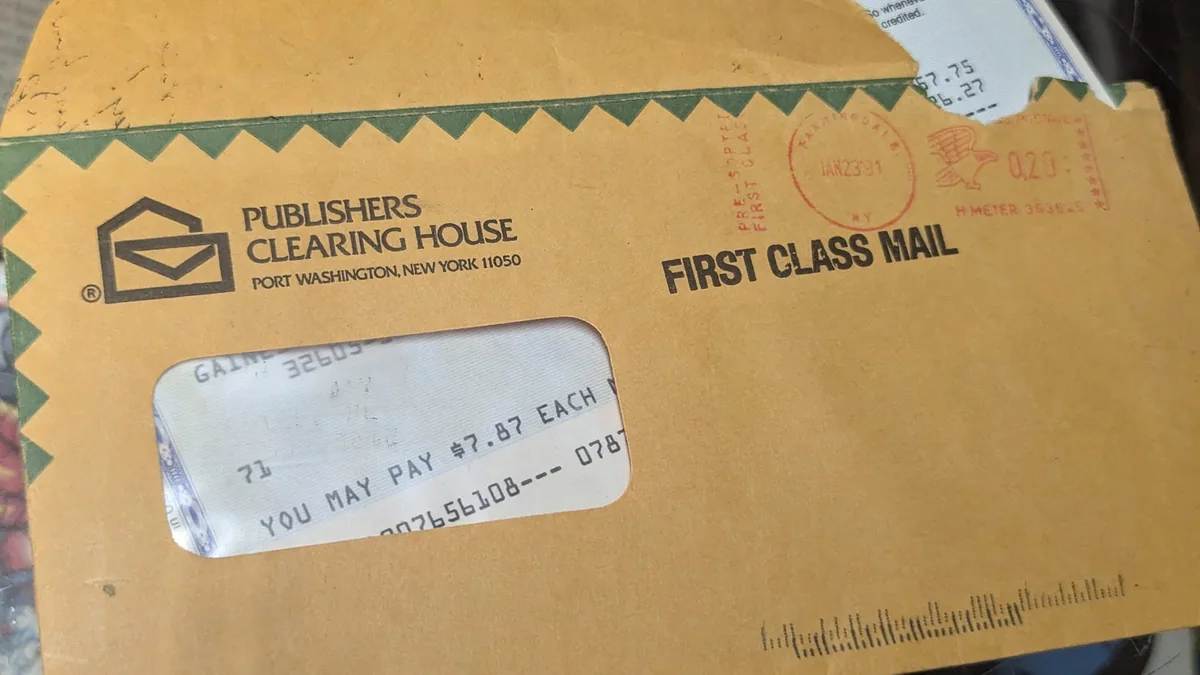
In August 2026, federal prosecutors charged a Florida couple, Ceyon and Christal Calvert, with conspiracy to commit wire and mail fraud for their alleged role in a scheme that ran through April 2026, targeting elderly victims with false claims of multimillion-dollar Publishers Clearing House winnings. According to the indictment, victims were told they needed to pay tens of thousands of dollars in upfront "taxes and fees" before they could collect their purported winnings. The money, prosecutors allege, was routed to other participants in the scheme.
Nothing about this case is unusual aside from the fact many people are shocked Publishers Clearing House is still around. However, run it against our Scam Smell Test and it fails before you even get to the specific story: an unsolicited notification (Rule 1), a demand for payment through irreversible channels (Rule 2), pressure to act before the "claim window" closes (Rule 4), and instructions that route you away from any way of verifying independently (Rule 5). The PCH name is just the costume this particular scheme wears.
The real PCH, and the scam wearing its name
Publishers Clearing House is a real company that runs legitimate sweepstakes, and real people do win real prizes. That legitimacy is exactly what scammers borrow: the PCH name carries decades of trust, which makes an impersonation land more easily to seniors who have been aware of it for decades.
Running it through our smell test
You cannot win a sweepstakes you didn't enter and the real PCH does not call, text, or email winners out of the blue. Every version of this scam starts the same way: a letter, a call, or a text announcing a win nobody applied for. The absence of any reason for this specific contact to reach you is the tell before anything else in the message matters.
The Calvert case follows the pattern almost exactly: victims were told to pay "upfront taxes and fees" before they could collect. No legitimate sweepstakes requires a winner to pay anything to receive a prize. Taxes on winnings, if owed at all, are handled through normal filing, never prepaid to the prize sponsor. The specific payment method matters too: gift cards and wires are preferred because they're fast and effectively unrecoverable once sent.
These scams routinely manufacture a short claim window of under 48 hours, framed as a hard forfeiture deadline. Ask the test question: what happens if I wait a day to decide? A real prize doesn't evaporate because you took a night to think it over (lotto winners often have a full year to claim!) or call someone first. The deadline exists to prevent exactly that pause.
Official-sounding contact routes victims toward a private number which they claim is a "claims agent" line that isn't PCH's published customer service number. This is to prevent "out of band" verification by going through the proper channels to verify. If you're ever given a number to call rather than finding one yourself: that's the same move.
Why this one keeps working on older adults
The Calvert indictment specifically names elderly victims and that's consistent with this scam's history because the pitch is calibrated for exactly this audience: an unexpected windfall, arriving with none of the friction a younger, more online audience has already built up against phone and mail scams. Isolation compounds it because a claim made over the phone to someone living alone has no one nearby to interrupt the moment and ask the obvious question.
What to do
If you get one of these: don't call any number provided in the letter, call, or text. Look up PCH's official number yourself and call that if you want to verify.
If you've already paid, contact your bank immediately. Wires and gift cards are hard to reverse, but the sooner you report it, the better the odds. And report it to the FTC and your state attorney general regardless of whether you've lost money, since these reports are what let investigators build cases like the one against the Calverts.